Understanding Human Behavior Through Biology
Stanford Professor Explores the Biology Behind Human Behavior

In March of 2010, Stanford University professor Robert Sapolsky opened his course titled Human Behavioral Biology with a lecture designed to explore one of the most complex questions in science.
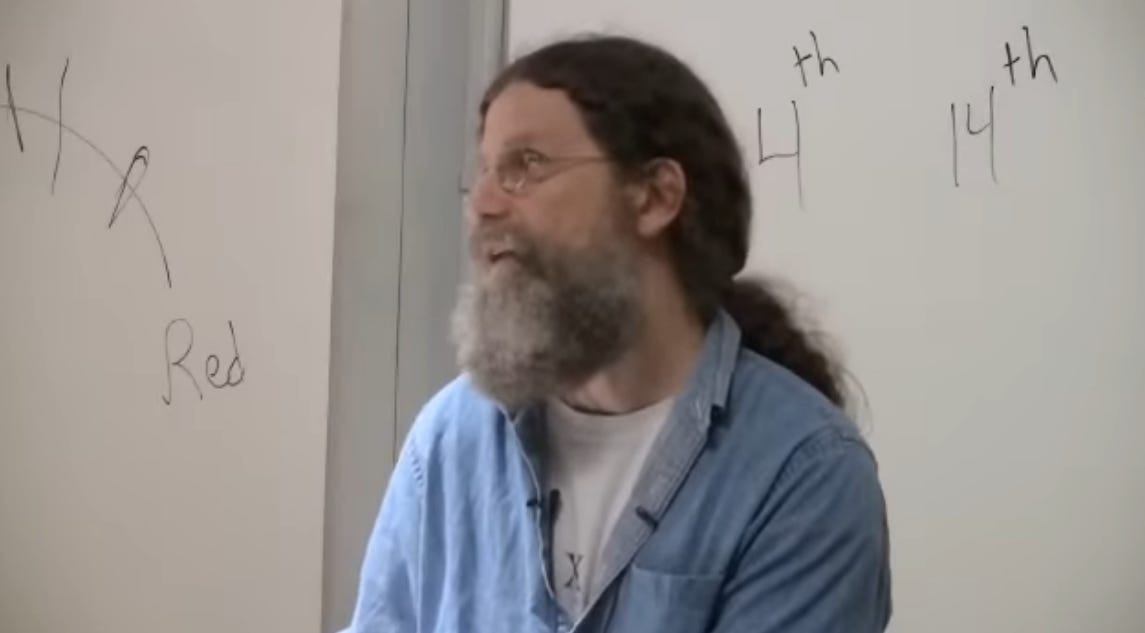
Why do humans behave the way they do?
Sapolsky introduced the course by explaining that human behavior cannot be understood through simple explanations or single causes. Instead, he argued that behavior is the result of many interacting biological and environmental factors working together across time.
The course begins by examining how biology influences actions ranging from aggression and cooperation to stress and decision making. Sapolsky emphasized that behavior must be viewed as the product of multiple systems including genetics, brain chemistry, hormones, childhood experiences, culture, and immediate environmental triggers. According to Sapolsky, focusing on just one of these factors often leads to incomplete or misleading conclusions.
Moving Away From Simple Explanations
One of the central themes of the opening lecture is the danger of categorical thinking. Sapolsky warned students that humans often prefer simple labels and quick explanations when discussing behavior. Terms like good or bad, nature or nurture, and rational or irrational may seem clear, but they often fail to capture the deeper biological processes shaping human actions.
Sapolsky encouraged students to think about behavior as a chain of events occurring across different time scales. For example, a person’s reaction to a stressful situation might involve immediate brain signals, hormonal responses occurring seconds or minutes later, developmental influences from childhood, and even evolutionary pressures that shaped human biology over thousands of years. Understanding behavior requires looking at all of these layers together.
The Role of Neuroscience and Hormones
Another key focus of the course is the role of the brain and the endocrine system in shaping human responses. Sapolsky explained that brain structures such as the amygdala and prefrontal cortex play major roles in emotional processing, fear responses, impulse control, and decision making. Hormones such as cortisol, testosterone, and oxytocin can also influence how people respond to stress, social situations, and competition.
The lecture introduces students to the idea that behavior often emerges from interactions between brain circuits and chemical signals. A stressful environment may trigger hormonal changes that influence mood and decision making, while past experiences can shape how the brain interprets threats or opportunities. By studying these systems together, scientists hope to better understand both individual behavior and larger social patterns.
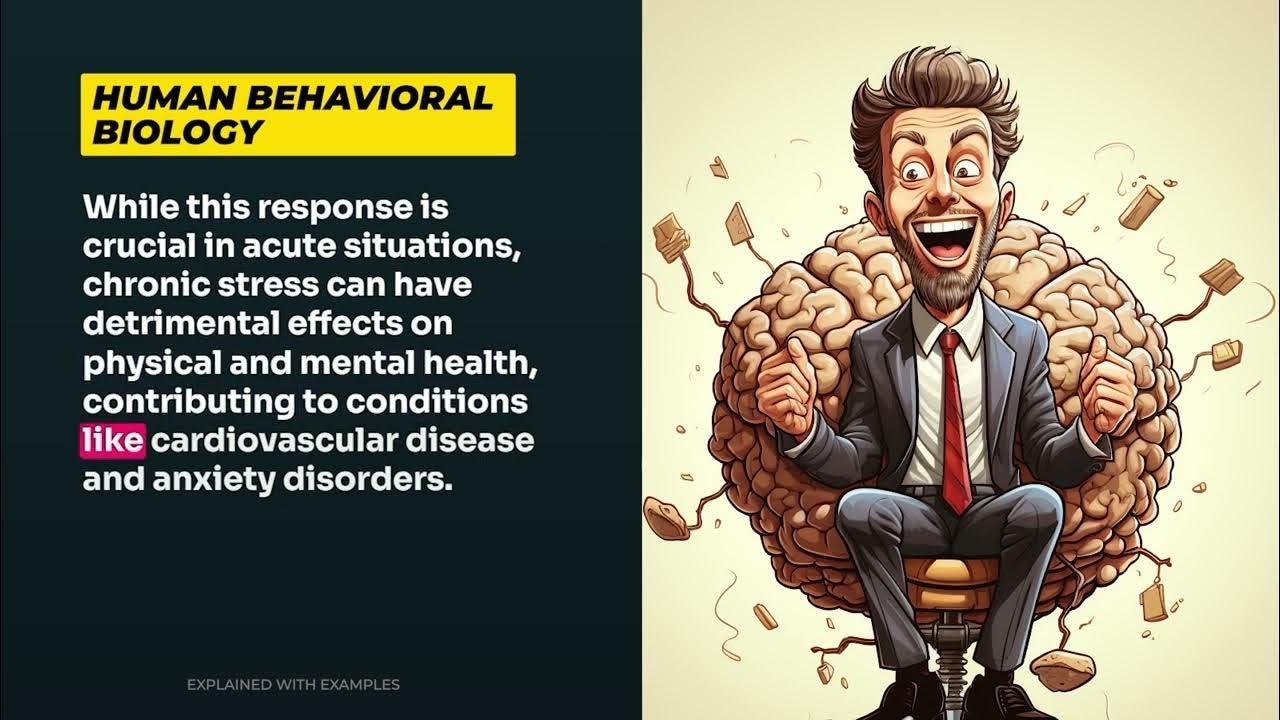
Human Behavior as a Product of Biology and Environment
Sapolsky’s opening lecture also highlights the importance of integrating biology with psychology, anthropology, and sociology. Human behavior does not occur in isolation from culture or environment. Social structures, upbringing, economic conditions, and cultural expectations can interact with biological systems to shape how people think and act.
The course therefore encourages students to explore human behavior using multiple scientific perspectives. By combining neuroscience, genetics, evolutionary biology, psychology, and social science, Sapolsky aims to give students a deeper understanding of how human behavior develops and changes across a lifetime. His approach reflects a broader movement in science toward interdisciplinary research that recognizes the complexity of human nature.
The Human Behavioral Biology course has since become one of the most widely viewed university lecture series online. Many viewers have been drawn to Sapolsky’s ability to explain complicated biological concepts in clear language while encouraging critical thinking about the forces that shape human behavior.
Sources
https://biology.stanford.edu
https://www.stanford.edu
https://plato.stanford.edu
https://www.ncbi.nlm.nih.gov
https://www.apa.org
https://www.nationalgeographic.com
https://www.youtube.com/stanford
Please Like & Share 😉🪽
@1TheBrutalTruth1 MAR. 2026 Copyright Disclaimer under Section 107 of the Copyright Act of 1976: Allowance is made for “fair use” for purposes such as criticism, comment, news reporting, teaching, scholarship, education, and research.