Tracking Technology.. Water Concerns.. and Historical Mysteries
Unusual Finds in Daily Life, Technology and History

Fact Based Look at Modern Surveillance, Ancient Documents, and Strange Sighting…

People sometimes find unusual items in everyday products. One recent example involved a small electronic chip found in a bag of rice. It resembled an RFID microchip commonly used to track pets like cats and dogs or farm animals such as pigs and horses. These chips are tiny, about the size of a grain of rice, and contain a unique identification number that can be read by a scanner. threads.com
Similar chips appear in other food products for tracking purposes. Makers of Parmigiano Reggiano cheese in Italy have placed tiny edible micro transponders into the rind of their cheese wheels. The goal is to fight counterfeits by allowing verification of the cheese’s origin and authenticity through scanning. These chips are designed to be food safe and pass through the digestive system if accidentally consumed, though they are usually in the hard outer rind. culturecheesemag.com
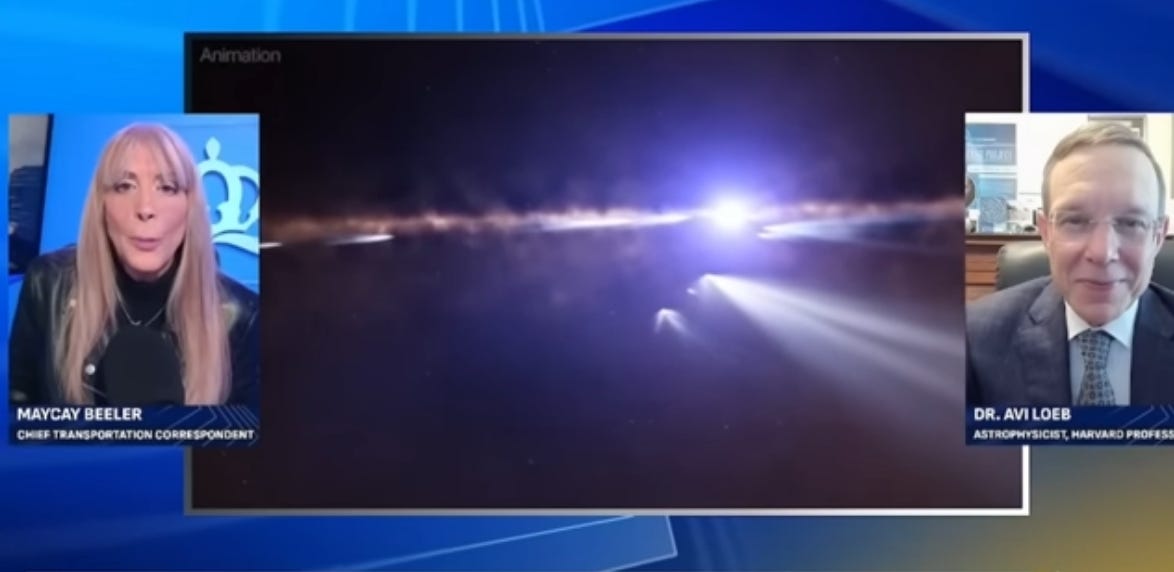
Government interest in unidentified flying objects, often called UFOs or UAPs, has increased. In 2026, the Trump administration appointed Harvard astronomer Avi Loeb to lead a new scientific advisory council focused on studying the national security risks of these phenomena. Loeb is known for suggesting that some interstellar objects, like the one named ‘Oumuamua observed in 2017, might have artificial origins rather than being natural space rocks. His team calculated details about its size and movement. apnews.com
Loeb’s council includes outside experts. One member is Ben Lamm, connected to Colossal Biosciences, a company working on genetic engineering projects such as modifying gray wolves to resemble extinct dire wolves. The group also discusses broader topics like potential links between space events and larger global plans, including the United Nations 2030 Agenda for sustainable development. Some observers note timing connections between increased UFO discussions and these international goals, though direct causation remains unproven speculation. thehill.com
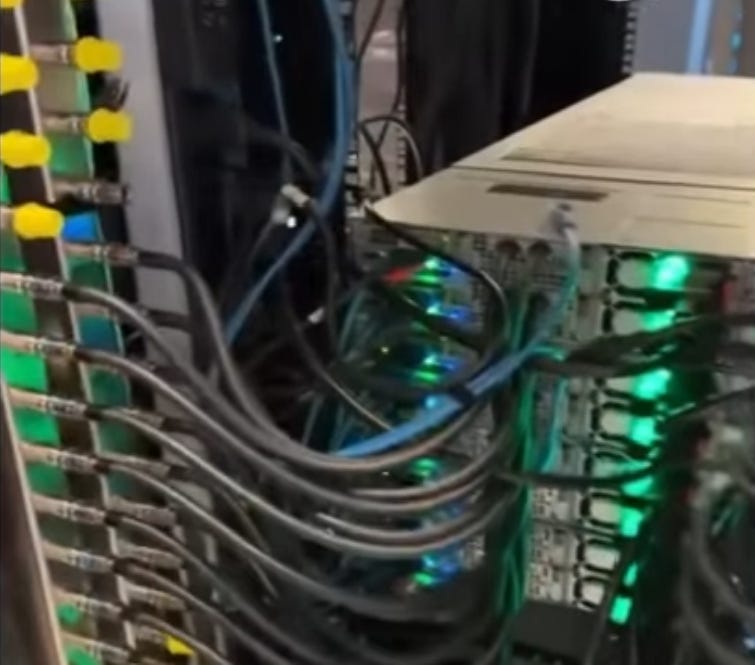
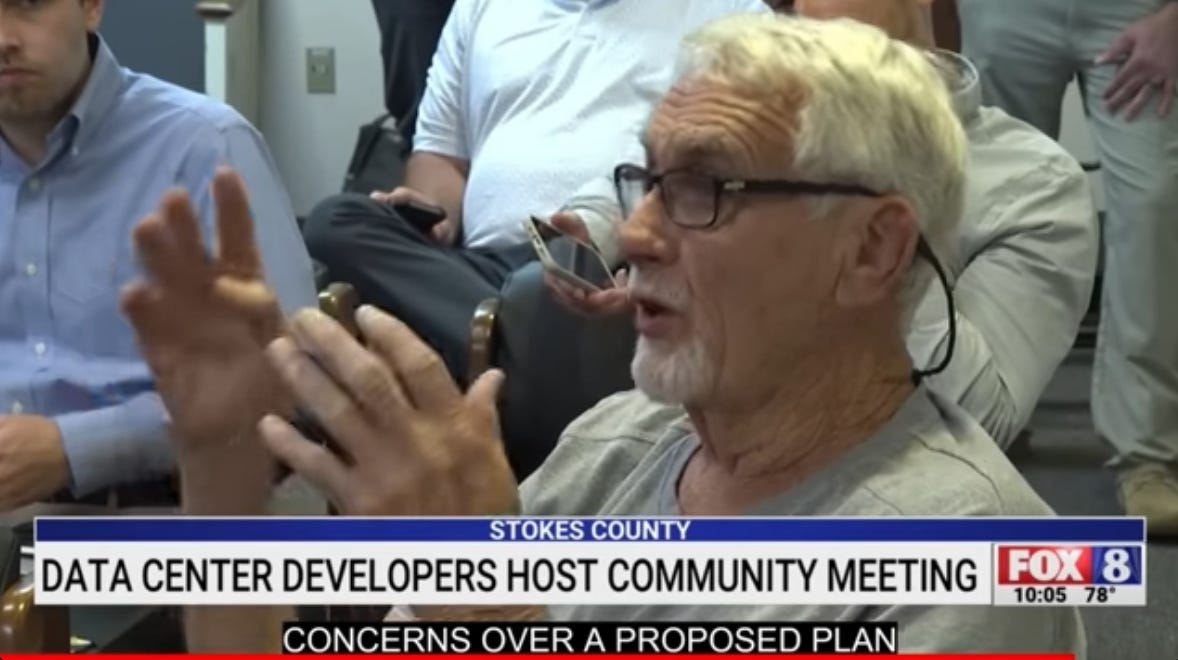
Data centers, which power much of the internet and artificial intelligence, use large amounts of water for cooling. One process involves filling systems with water during startup and then flushing dirty water into local wastewater systems. In a recent case in Cheyenne, Wyoming, officials traced a rare bacterium called Cupriavidus gilardii to wastewater from a Meta-affiliated data center construction site operated by Goat Systems LLC. This bacterium is uncommon in wastewater and can pose risks, especially to people with weakened immune systems. It has a documented mortality rate around 31 percent in known human infection cases, though infections overall remain very rare. The water was used for irrigation, not drinking, but aerosolized spray from sprinklers could allow inhalation in some areas. Officials halted discharges and required offsite hauling. sfgate.com
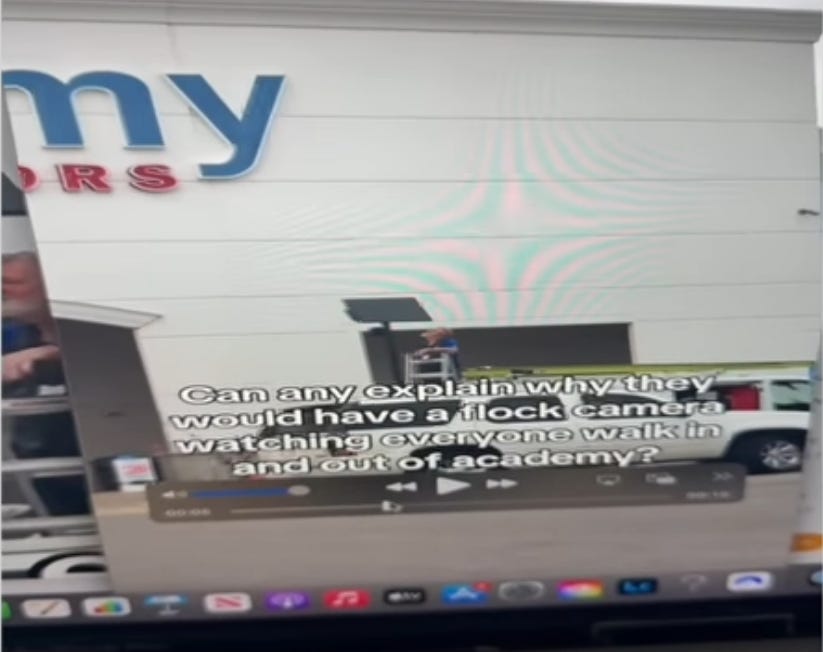
Surveillance technology continues to expand. Flock Safety cameras, which primarily read license plates, have been installed by some retailers and property owners. In certain placements outside stores that sell firearms, cameras appear positioned to capture people entering and exiting doors rather than just passing vehicles. This has raised questions about privacy and the full scope of data collection, as the systems can log vehicle movements and share information with law enforcement agencies. tech.yahoo.com
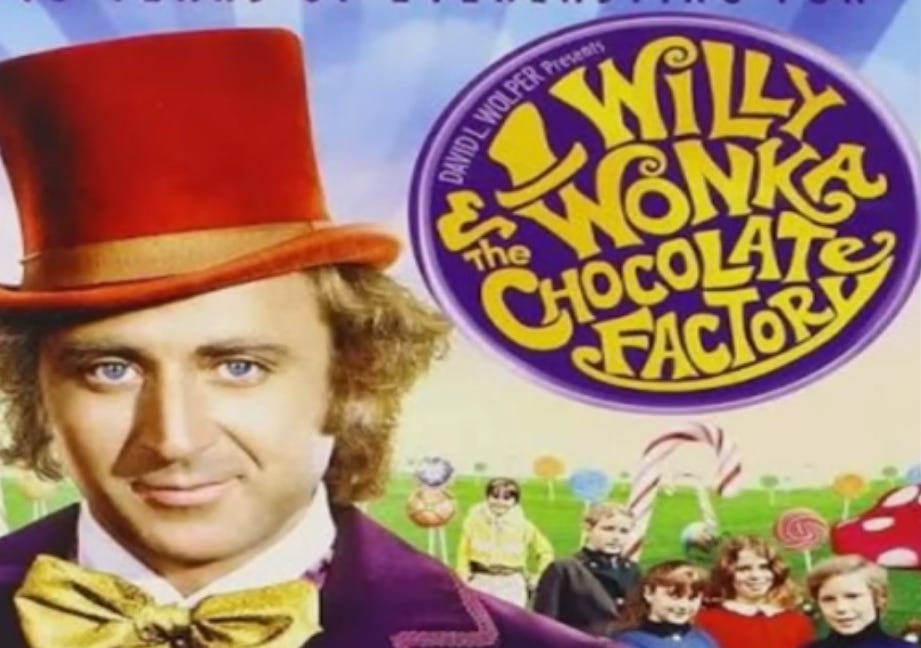
Memory differences across groups of people sometimes create debates known as the Mandela Effect. A recent example involves the 1971 film Willy Wonka and the Chocolate Factory. Some viewers recall Charlie receiving a standard chocolate bar (As I recall as well. Charlie shared the chocolate bar with all of his grandparents.) as a birthday treat at home, while others remember a different packaged item resembling a Moon Pie. Original VHS copies show variation in recollections, but the plot requires a genuine Wonka chocolate bar for the golden ticket. Companies have used digital tools to alter older media in the past for product placement, adding another layer to these discussions. reddit.com
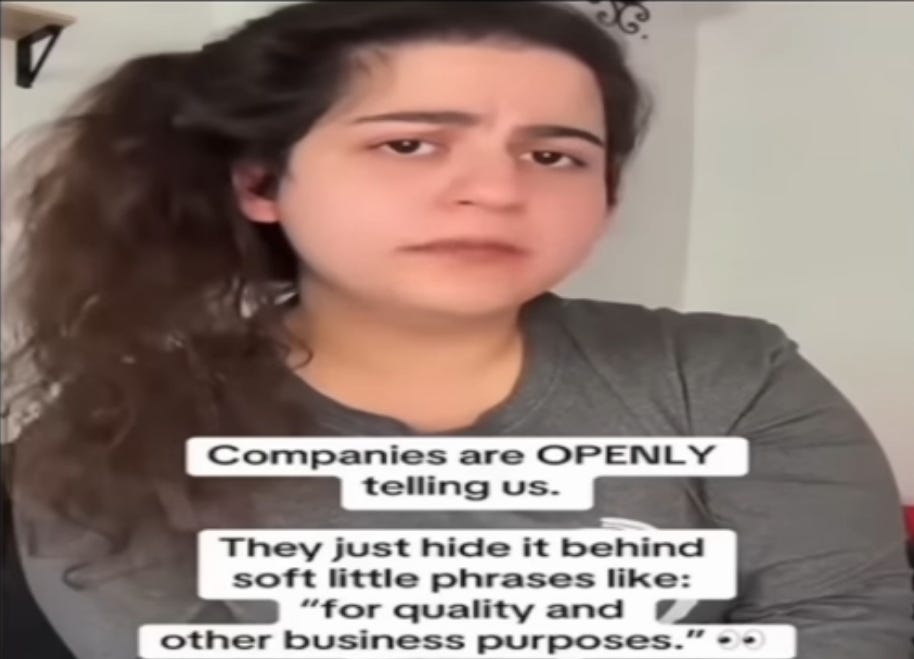
Large companies record customer service calls. Walmart’s system states that calls and voices may be recorded for quality, fraud prevention, and other business purposes. Their privacy policy mentions collecting voice prints as biometric data. This information can support AI training, voice recognition systems, customer profiling, and behavioral analysis. The data may be shared with service providers. Similar practices occur at other firms. thebiglead.com
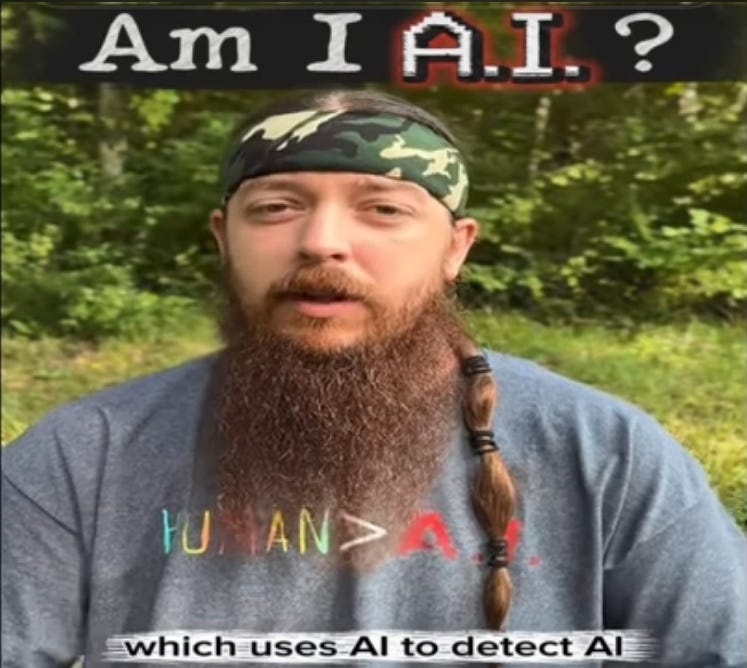
Artificial intelligence tools sometimes incorrectly label real human-created videos or content as AI-generated. Detectors relying on AI can produce false positives, leading to accusations against actual people. This issue has grown as AI improves. In response, projects like Sam Altman’s World (formerly Worldcoin) use iris scanning orbs to create digital IDs proving a user is human rather than an AI bot. Over 18 million people have enrolled in various countries as of recent reports. restofworld.org
Older videos continue to circulate and spark curiosity. One from Russia, dating back to around 2010 or 2014, shows a person filming strange noises from a forest. Something reddish with a narrow head appears on the roof and moves away when noticed. Viewers have compared it to descriptions of cryptids or unusual animals. Similar home security footage captures unexplained lights or objects moving quickly, sometimes described as resembling portals or fast-moving entities.
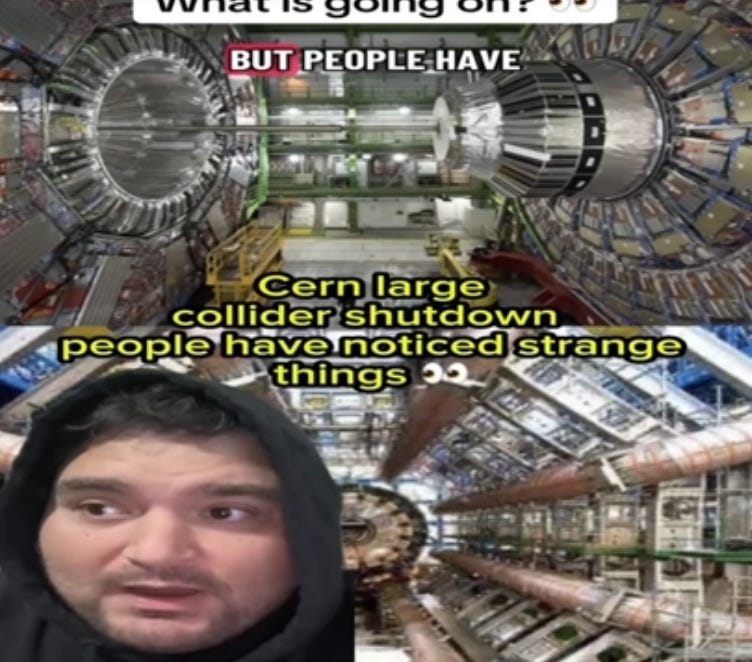
The Large Hadron Collider at CERN underwent a shutdown period for upgrades. Some people report noticing changes in how time feels or in weather patterns afterward, though these could stem from normal variation or expectation effects. CERN plans high-luminosity upgrades with operations resuming around 2030. Minor memory differences, such as spelling variations for brands like Chick-fil-A, have also appeared in online discussions tied to this period.

Historical documents reveal past secret or semi-secret groups. The Fama Fraternitatis, published in 1614, announced a brotherhood of enlightened masters with advanced knowledge. It spread across Europe and prompted responses from scholars including René Descartes and possibly Francis Bacon. No confirmed members or direct replies from the group were ever identified. Historians debate whether it was a real hidden society, a hoax, or a way to promote ideas. Similar groups, such as claims about organizations above standard Freemasonry like the Royal Order of the Jesters, persist in discussions today with limited verified public information.
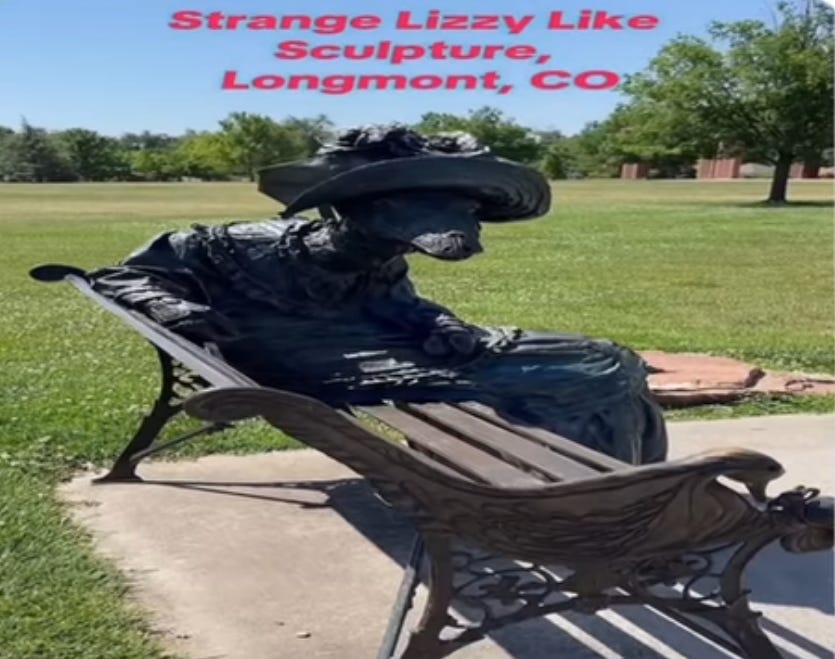
Public memorials sometimes feature unusual statues. One veterans memorial includes a figure described with hoof-like feet, a lizard-like face, unusual clothing details, and other distinctive elements. It has been identified in some accounts as a stylized giraffe named in connection with “Mandela,” though its appearance leads to varied interpretations and questions about its placement near a memorial site.
.
Source & Links:
Avi Loeb UFO council appointment: https://apnews.com/article/trump-ufo-council-avi-loeb-science-uaps-5798dd793b77aeb2d9baa99586ad8a85
Meta data center bacteria incident: https://www.sfgate.com/tech/article/meta-bacteria-contamination-22338091.php
Parmigiano Reggiano microchips: https://www.theguardian.com/food/2023/aug/18/parmesan-producers-fight-fakes-micro transponders-chips-rind
Flock cameras privacy concerns: https://www.aclu.org/campaigns-initiatives/get-the-flock-out
World ID enrollment: Reports from company updates around 18 million+ users
Cupriavidus gilardii information: Medical case reviews and Wikipedia summary
Additional context on historical documents like the Fama Fraternitatis can be found through standard historical references on Rosicrucianism.
#thebrutaltruthnewspodcast #substack #news #strangefacts
FAIR USE COPYRIGHT NOTICE:
substack.com/@originalbrutaltruth JULY 2026 The Copyright Laws of the United States recognizes a “fair use” of copyrighted content. The videos and YouTube channel in general may contain certain copyrighted works that were not specifically authorized to be used by the copyright holder(s), but which we believe in good faith are protected by federal law and the fair use doctrine for purposes such as criticism, comment, news reporting, teaching, parody, or research, is not an infringement of copyright. All video is for educational purposes only. We believe this constitutes a fair use of any such copyrighted material as provided for in section 107 of the US Copyright Law.