
They poured massive money into computer systems that learn patterns from data.
Now those systems demand endless power, chips, and buildings. Returns stay small while expenses explode. This forces changes in plans across companies.
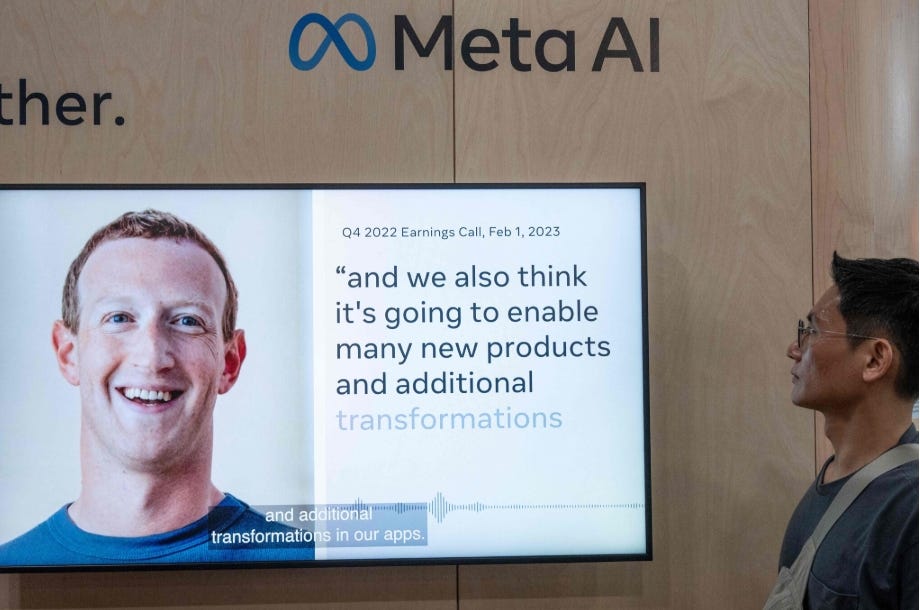
Meta under Mark Zuckerberg keeps pouring cash into AI. The company plans to spend as much as 145 billion dollars on infrastructure in 2026. That nearly doubles earlier spending. Wall Street gave approval at first. But results lag behind the spending. Meta cut roughly 8,000 jobs earlier in 2026. Zuckerberg linked part of those cuts to AI costs for computers and data centers. The company re assigned thousands more workers to AI teams. These moves aim to free up money for bigger builds. They also show the pressure to control spending.
Progress on AI agents has slowed inside Meta. These are systems meant to handle tasks on their own. Zuckerberg told staff the development did not speed up as leaders expected. The new company structure focused on AI has not yet delivered the gains hoped for. Improvements may appear in the next three to six months according to internal updates. Meta now pushes paid AI tools and proprietary models. It wants users and businesses to pay for better access. This shift tries to turn heavy investment into actual revenue. Earlier open sharing of models gave way to more controlled products that compete in the cloud market.
Elon Musk made a clear structural change with his AI work. He folded the independent xAI company into SpaceX. It became a division called SpaceXAI. The move combines resources for data centers and other projects.
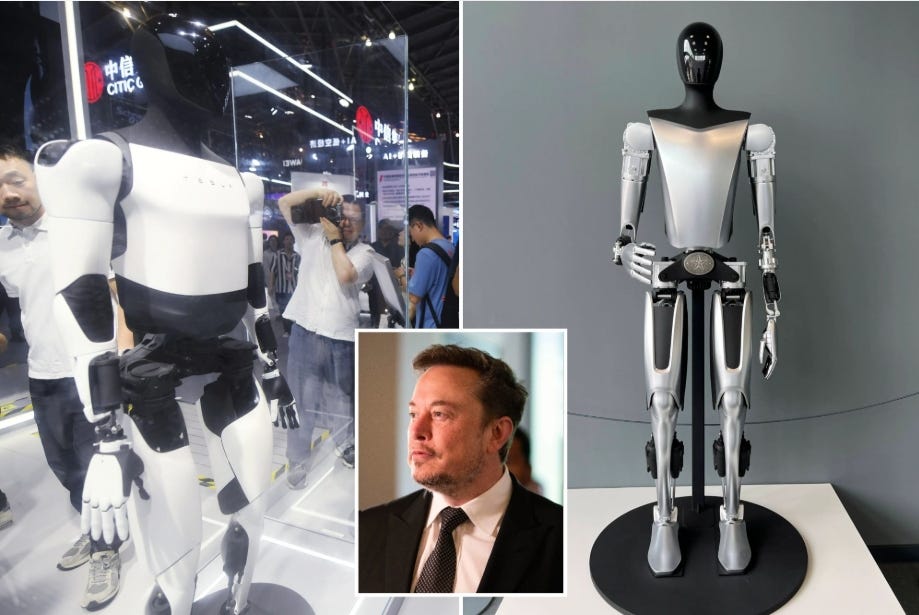
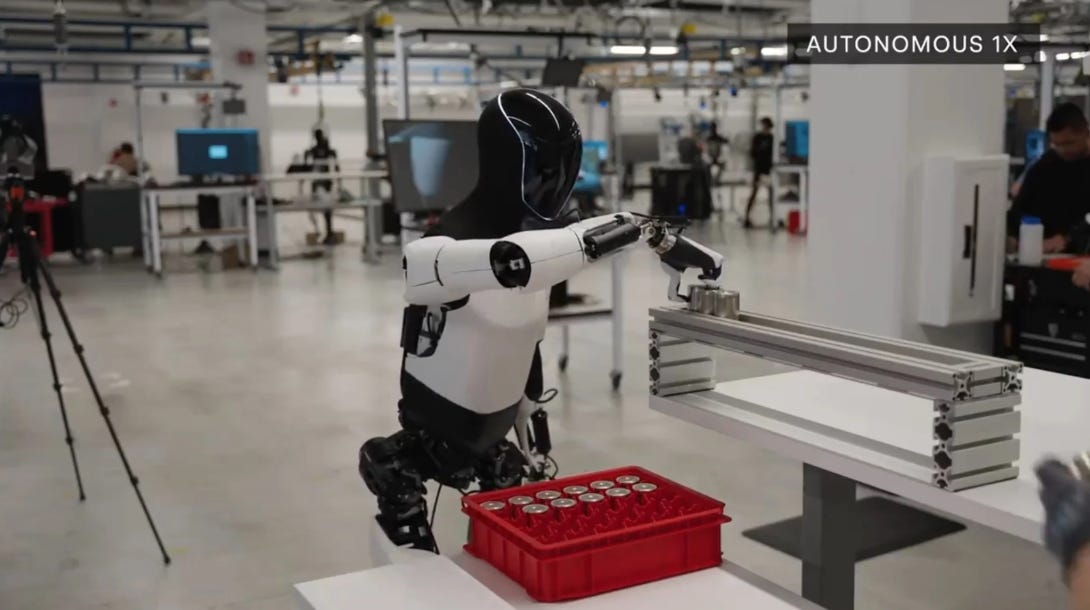
It also fits plans around a possible SpaceX stock offering. Grok tools and related work now sit inside the larger rocket company. Musk still drives hard on practical AI uses at Tesla. Full self driving software and humanoid robots like Optimus face tight 2026 targets. Tesla shifts capital spending toward AI chips, robots, and energy systems. The focus stays on real world machines rather than abstract super intelligence alone.
Across the industry 2026 brings delays in key areas. New data centers take longer to finish. Supply problems hit chips, power equipment, cooling systems, and skilled workers. Some companies may store extra chips instead of installing them right away. These bottlenecks slow the race everyone expected. Timelines for advanced AI slipped. Many experts now place full artificial general intelligence in the 2030s at the earliest. Earlier talk of breakthroughs by 2027 faded after reviews from leading researchers. This longer view changes how companies plan big spending today.
Large businesses outside tech report fatigue with AI projects. Many stay stuck in testing phases. Promised gains in speed or output often fail to appear fast.
Workers feel let down when tools create extra low value work instead of clear wins. This disappointment reduces excitement for broad adoption.
Investors flag real risks from the spending wave. Big Tech groups plan hundreds of billions more on AI buildings and power. Revenue from AI products stays modest compared to those outlays. Warnings point to possible overbuilding and weak profits if breakthroughs stall. The boom entered a riskier stage according to some major funds.
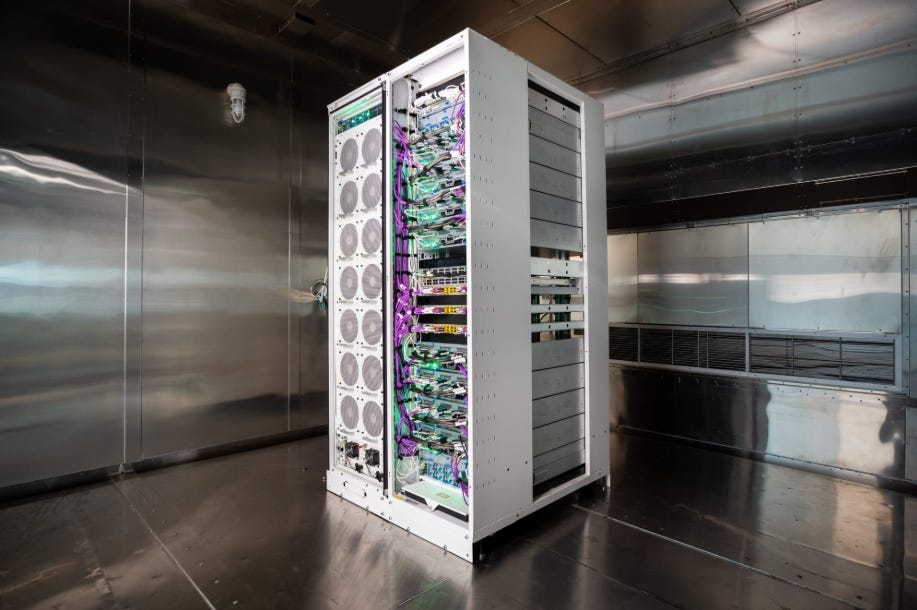
Energy demands add another limit. Running large AI systems uses huge amounts of electricity. Data centers already consume large shares of power in some regions. Companies must solve power and grid issues or face higher costs and delays. This practical barrier hits every major player.
The AI race now stresses different priorities. It moved past racing for the biggest models at any cost.
Leaders focus on useful tools that fit real products and control expenses. Specific applications like robots or customer service agents matter more than vague future promises. Competition shifts toward efficiency and actual delivery.
These adjustments reflect hard lessons. Early excitement ignored limits on time, money, and technology. Billions spent do not create instant revolutions. Companies that adapt to costs, delays, and slower progress will shape what comes next. Others risk wasting more resources on outdated plans.
.
Sources and links:
https://sequoiacap.com/article/ai-in-2026-the-tale-of-two-ais/
https://techcrunch.com/2026/07/02/mark-zuckerberg-tells-staff-that-ai-agents-havent-progressed-as-quickly-as-hed-hoped/
https://www.weforum.org/stories/artificial-intelligence/ai-paradoxes-in-2026/
https://finance.yahoo.com/news/big-tech-invest-650-billion-162045430.html
https://www.reuters.com/business/metas-profit-hit-by-16-billion-one-time-tax-charge-2025-10-29/
https://www.barrons.com/articles/xai-dissolved-musk-spacex-ipo-1d035d36
https://aimagazine.com/news/metas-profit-surge-ai-spending-set-to-nearly-double
#thebrutaltruthnewspodcast #substack #news #datacenters #aitechinvestments
FAIR USE COPYRIGHT NOTICE:
substack.com/@originalbrutaltruth JULY 2026 The Copyright Laws of the United States recognizes a “fair use” of copyrighted content. The videos and YouTube channel in general may contain certain copyrighted works that were not specifically authorized to be used by the copyright holder(s), but which we believe in good faith are protected by federal law and the fair use doctrine for purposes such as criticism, comment, news reporting, teaching, parody, or research, is not an infringement of copyright. All video is for educational purposes only. We believe this constitutes a fair use of any such copyrighted material as provided for in section 107 of the US Copyright Law.