All-American Counterprogram Draws Massive Audience During Super Bowl LX
Turning Point USA’s Alternative Halftime Show Claims Record-Breaking Viewership

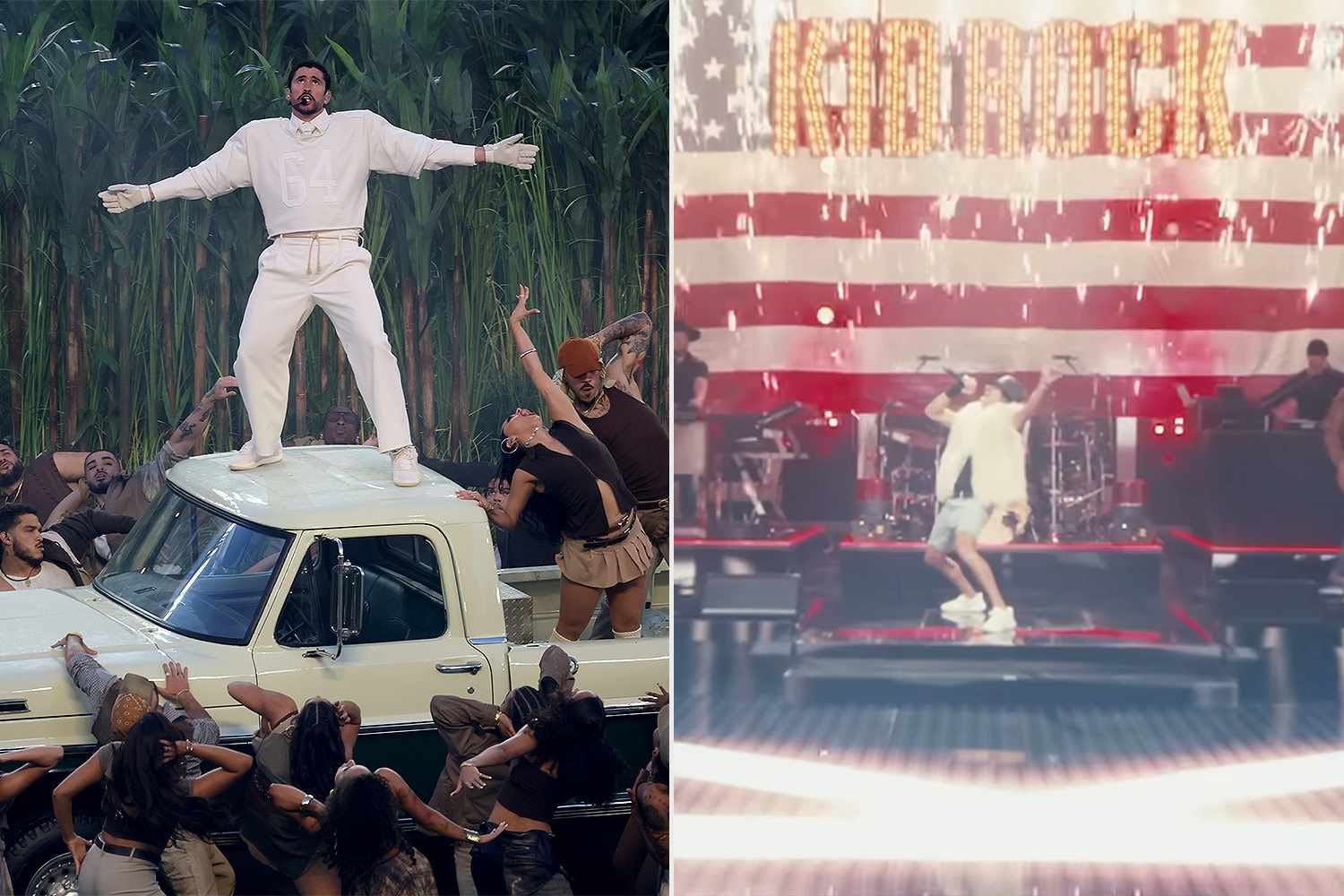
Turning Point USA organized an “All-American” alternative halftime show during Super Bowl LX, promoting it as a conservative counterprogram to the official NFL halftime broadcast. The event was streamed online and heavily promoted through social media, podcasts, and email lists in the days leading up to the game. Organizers said the goal was to provide viewers with an option that focused on patriotic themes and conservative values during one of the largest television events in the United States.
By the numbers shared by Turning Point USA, the alternative show reached millions of viewers across platforms, including livestreams, replays, and social media clips. While these figures are self-reported and not verified by Nielsen, conservative media outlets described the turnout as one of the largest online counterprogramming efforts ever tied to a Super Bowl halftime window. Supporters argue the numbers reflect a growing audience willing to seek alternatives to mainstream entertainment during major cultural events.
Reports around Super Bowl LX say Turning Point USA streamed an “All-American Halftime Show” online as counterprogramming to the official Apple Music halftime show headlined by Bad Bunny at Levi’s Stadium in Santa Clara. Coverage of the TPUSA stream said it was led by Kid Rock (with other country artists also listed in some reports) and included a tribute to TPUSA co-founder Charlie Kirk; multiple outlets have recently reported on Kirk’s death and an active criminal case tied to it.
Some reporting also claimed the TPUSA production was promoted or supported across conservative media networks and described as being “backed” by the Trump administration, though that wording comes from specific outlets rather than an official government release. The effort was widely framed as a response to cultural backlash and to Bad Bunny’s Spanish-language music, including his joke on Saturday Night Live that critics had “four months to learn Spanish” before the game.
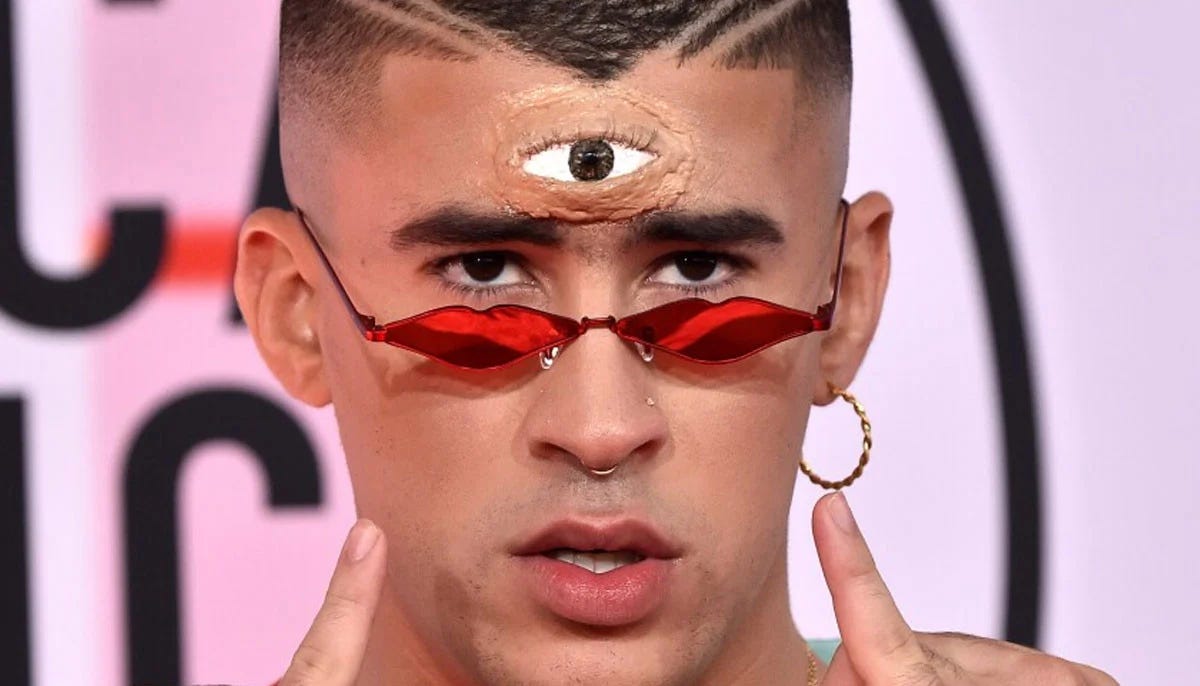
The official NFL halftime show, headlined by Bad Bunny, became part of the national conversation as well. Critics on the right objected to aspects of his past performances and public image, including sexually explicit lyrics, provocative stage elements, and symbolism they view as political or cultural messaging. Defenders of the performance countered that Bad Bunny is a globally popular artist whose music and visuals reflect modern pop culture and international audiences, not a political agenda.
The contrast between the two halftime options fueled debate beyond entertainment. Conservative commentators framed the split as evidence of a wider cultural divide, arguing that major institutions increasingly reflect progressive values while leaving little space for traditional or patriotic perspectives. More centrist analysts noted that the situation highlights how digital platforms now allow large audiences to fragment, making it easier for alternative programming to draw significant attention even during legacy broadcast events like the Super Bowl.
Emergency-scale audiences can now be mobilized outside traditional television, and culture-war debates are increasingly measured in clicks, streams, and shares rather than ratings alone. Super Bowl LX demonstrated that halftime is no longer just a single shared experience, but a battleground where competing narratives can draw millions at the same time.
What happened with Super Bowl LX is a good example of how digital platforms turn one halftime show into two competing “realities” at the same time. The NFL’s official Apple Music halftime show starring Bad Bunny was a mass broadcast event and instantly became a social-media moment (clips, reactions, and debates spreading in real time).
Turning Point USA used the internet to run counterprogramming during the same halftime window—streaming a separate “All-American Halftime Show” headlined by Kid Rock—and then social platforms amplified the culture-war framing around it.
The “four months to learn Spanish” line also fed the online narrative cycle, getting recycled, clipped, and argued over across outlets and platforms right up to game week. In other words, the battlefield wasn’t the stadium—it was attention: algorithms, influencers, clips, and headlines letting millions pick a side and share it instantly, making the halftime show less a single shared experience and more a viral contest over identity, culture, and who gets to define “American” on the biggest stage.
The Brutal Truth - A noticeable share of the anger around Super Bowl LX halftime came from two different directions, and most of it played out online in real time. On the conservative side, some commentators and viewers criticized the NFL for choosing Bad Bunny and for staging a halftime show that was heavily Spanish-language and centered on Latin culture, arguing it felt exclusionary or political and didn’t match what they expect from a “mainstream American” Super Bowl moment; Fox News, for example, highlighted criticism from Sage Steele about Bad Bunny’s selection and what it signaled culturally.
Others also got upset about the earlier “four months to learn Spanish” joke, which was widely recirculated and became part of the backlash narrative before the game.
At the same time, critics on the left and in mainstream entertainment coverage attacked Turning Point USA’s “All-American Halftime Show” as culture-war counterprogramming, describing it as hostile to immigrants or “xenophobic” in tone, and they mocked its quality and hype compared with the NFL production.
In short, the anger wasn’t just about music—it was about identity and symbolism, with social platforms amplifying each side’s clips, captions, and hot takes until “halftime” turned into a national argument.
Sources and address links
Turning Point USA official announcements and social media statements
https://www.tpusa.com
NFL Super Bowl halftime programming overview
https://www.nfl.com/super-bowl
Bad Bunny public performance history and artist profile
https://www.rollingstone.com/music/music-features/bad-bunny-profile-123
Discussion of alternative media viewership during major live events
https://www.forbes.com/sites/mediacommentary/super-bowl-alternative-streaming
Please Like & Share 😉🪽
@1TheBrutalTruth1 FEB. 2026 Copyright Disclaimer under Section 107 of the Copyright Act of 1976: Allowance is made for “fair use” for purposes such as criticism, comment, news reporting, teaching, scholarship, education, and research.